Cold-Pressed vs Not From Concentrate — What's the Difference? (2026)
"Cold-pressed" and "not from concentrate" are two of the most common labels on premium juice bottles, but they describe completely different things. One refers to how the juice is extracted; the other refers to whether it was reconstituted from concentrate.
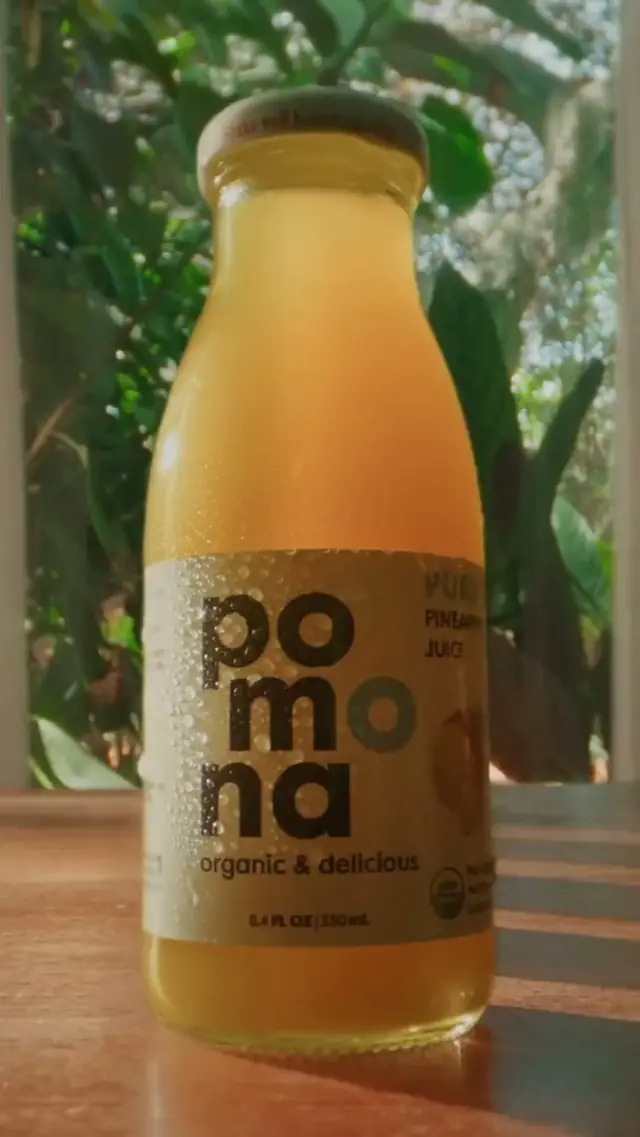
The good news: a juice can be both. Pomona is cold-pressed AND never from concentrate. But many juices are only one or the other — and most supermarket juices are neither.
FAQ
- What does cold-pressed juice mean? — Cold-pressed juice is extracted using hydraulic pressure rather than centrifugal blades or heat. The low-heat method preserves enzymes, vitamins, and the fresh taste of the fruit.
- What does "not from concentrate" mean? — Not from concentrate (NFC) means the juice was never reduced to a thick syrup and rehydrated with water. It's the original liquid pressed directly from the fruit.
- Is cold-pressed always not from concentrate? — Almost always — but check the label. Pomona is both cold-pressed AND never from concentrate, which is the gold standard.
- Is cold-pressed juice healthier than NFC? — Cold-pressed juice generally retains more nutrients because of the lower heat used in extraction. Both are far better than juice from concentrate.
- Why does cold-pressed juice cost more? — Cold-pressing requires more fruit per bottle, slower processing, and produces less yield than other methods. The premium price reflects the higher quality and nutrient density.