Beet Juice for Blood Pressure: What the Studies Actually Show
What Is Beet Juice and How Does It Lower Blood Pressure?
Beet juice is the cold-pressed liquid from red beets (beetroot). Beets are one of the richest dietary sources of inorganic nitrates — naturally occurring compounds that the body converts to nitric oxide. Nitric oxide relaxes and widens blood vessels, which reduces the resistance the heart pushes against and lowers blood pressure.
This isn't folk wisdom — it is one of the most replicated findings in nutritional cardiology over the last 15 years. Cold-pressed organic beet juice is now used in clinical trials, by NHS dietitians, and by elite endurance athletes for the same reason: it produces a measurable, dose-dependent drop in systolic blood pressure within hours of drinking it.
What the Science Actually Shows
A landmark 2008 study in Hypertension showed that 500 mL of beet juice lowered systolic blood pressure by an average of 10 mmHg within 2.5 to 3 hours, with effects lasting up to 24 hours. A 2015 randomized trial in Hypertension followed 64 adults with high blood pressure who drank 250 mL of beet juice daily for four weeks. Their average systolic pressure dropped by 7.7 mmHg and diastolic by 5.2 mmHg — comparable to a single antihypertensive medication.
A 2017 meta-analysis in the Journal of Nutrition pooled 22 trials and confirmed a consistent reduction in systolic blood pressure averaging 4–5 mmHg with regular beet juice intake. For context, population research associates a sustained 5 mmHg drop in systolic pressure with roughly 14% lower stroke risk.
How Much and When to Drink
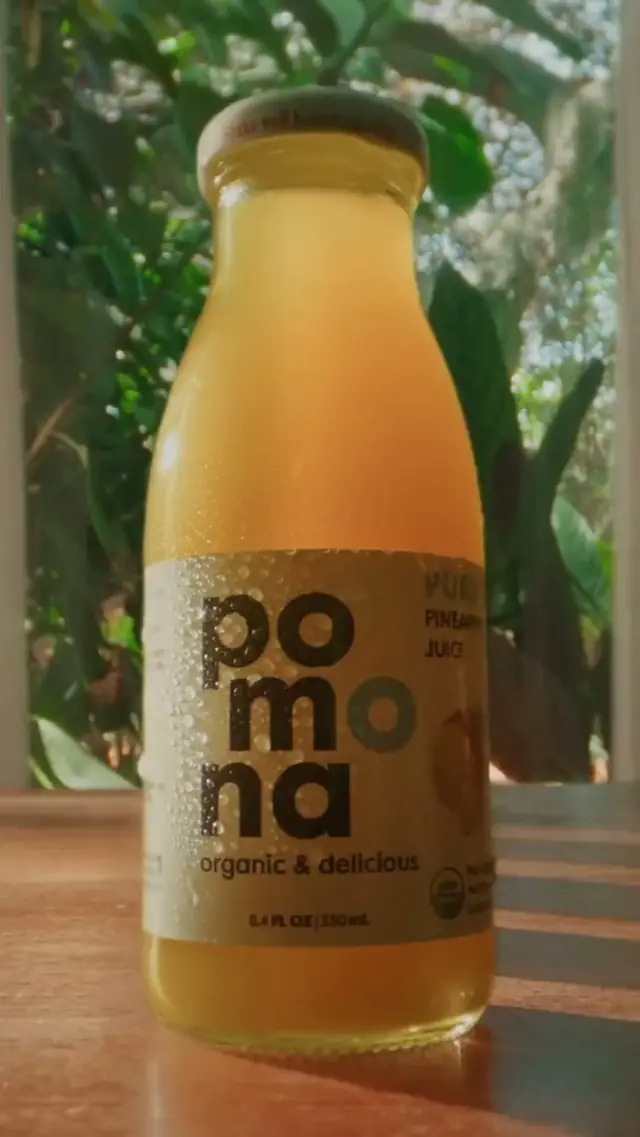
The clinical sweet spot is 250 mL (about 8.4 oz — the size of a Pomona bottle) of cold-pressed beet juice per day. This delivers roughly 300 to 400 mg of dietary nitrate, the dose used in most positive studies.
For acute effects (athletes timing a workout or someone tracking a single reading), drink it 2 to 3 hours before. For sustained blood pressure benefit, drink it daily — effects build over 4 weeks of consistent intake. Morning is ideal because nitrate-to-nitric oxide conversion depends on oral bacteria that work best when not freshly disrupted by mouthwash or toothpaste.
Side Effects and Who Should Be Careful
Beet juice is very safe. The most common 'side effects' are cosmetic: beeturia (pink urine) and red-tinted stool, both harmless and seen in roughly 10 to 14% of people due to a genetic variation in betalain metabolism.
People who already take blood pressure medication should talk to their doctor before adding daily beet juice — combined effects can drop pressure too low. People prone to kidney stones (specifically calcium oxalate stones) should be cautious: beets are high in oxalates. People on PDE5 inhibitors (Viagra, Cialis) should also consult a doctor due to additive vasodilation.
Beet Juice for Athletic Performance
The same nitric oxide pathway that lowers blood pressure also improves exercise efficiency. A 2011 study in Medicine & Science in Sports & Exercise found that 500 mL of beet juice reduced the oxygen cost of moderate-intensity exercise by 4% and extended time-to-exhaustion by 15%. Effects peak 2 to 3 hours after drinking.
This is why elite cyclists, runners, and rowers commonly load with beet juice before competition. The effect is real but small — meaningful for trained athletes shaving seconds, less life-changing for casual exercise.
Cold-Pressed Organic vs. Conventional Beet Juice
Heat pasteurization and concentrate processing degrade dietary nitrates. Cold-pressed organic beet juice preserves the full nitrate content and the betalain antioxidants that give beets their deep crimson color and additional anti-inflammatory effect.
Pomona Organic Beet Juice is cold-pressed from USDA Organic beets — not from concentrate, no added sugar, no preservatives, in BPA-free glass. One 8.4 oz bottle delivers a clinically relevant dose of nitrates. See the Pomona Beet Juice product page for the full nutrition panel.
FAQ
- How much beet juice should I drink for high blood pressure? — Most clinical studies use 250 mL (about 8.4 oz) of cold-pressed beet juice per day. This is roughly one Pomona bottle and delivers 300 to 400 mg of dietary nitrate.
- How fast does beet juice lower blood pressure? — Single-dose studies show systolic blood pressure begins dropping within 2 to 3 hours of drinking beet juice, with effects lasting up to 24 hours. Sustained reductions build over 4 weeks of daily intake.
- How much can beet juice lower blood pressure? — In clinical trials, participants drinking beet juice daily saw average systolic readings fall by about 4 to 10 mmHg and diastolic by 2 to 5 mmHg. Individual results vary. Population research associates a sustained 5 mmHg systolic reduction with roughly 14% lower stroke risk.
- Are there side effects to drinking beet juice? — The most common are harmless: beeturia (pink urine) and red-tinted stool, seen in 10 to 14% of people. People on blood pressure medications, with a history of kidney stones, or on PDE5 inhibitors should consult a doctor first.
- Is it safe to drink beet juice every day? — For most healthy adults, yes. Daily intake of 8 oz of cold-pressed organic beet juice is safe and is the dose used in long-term clinical studies. Talk to a doctor if you have hypertension medication, kidney issues, or are pregnant.
- Does cold-pressed beet juice work better than from concentrate? — Yes. Heat processing and concentration degrade dietary nitrates, the active compound. Cold-pressed organic beet juice preserves the full nitrate dose used in clinical trials.
- Should I drink beet juice before a workout? — If you're training hard, yes — drink 8 to 16 oz about 2 to 3 hours before exercise. Studies show roughly 4% improvement in oxygen efficiency and 15% extension of time-to-exhaustion.