Beetroot Juice Benefits: The Complete Evidence-Based Guide
What Makes Beetroot Juice So Powerful?
Beetroot juice (also called beet juice) is the cold-pressed liquid from red beets. Its power comes from three compound families: dietary nitrates, betalains, and polyphenols. Together they support blood flow, blood pressure, exercise performance, and cognitive function — with more peer-reviewed evidence behind them than almost any other functional beverage.
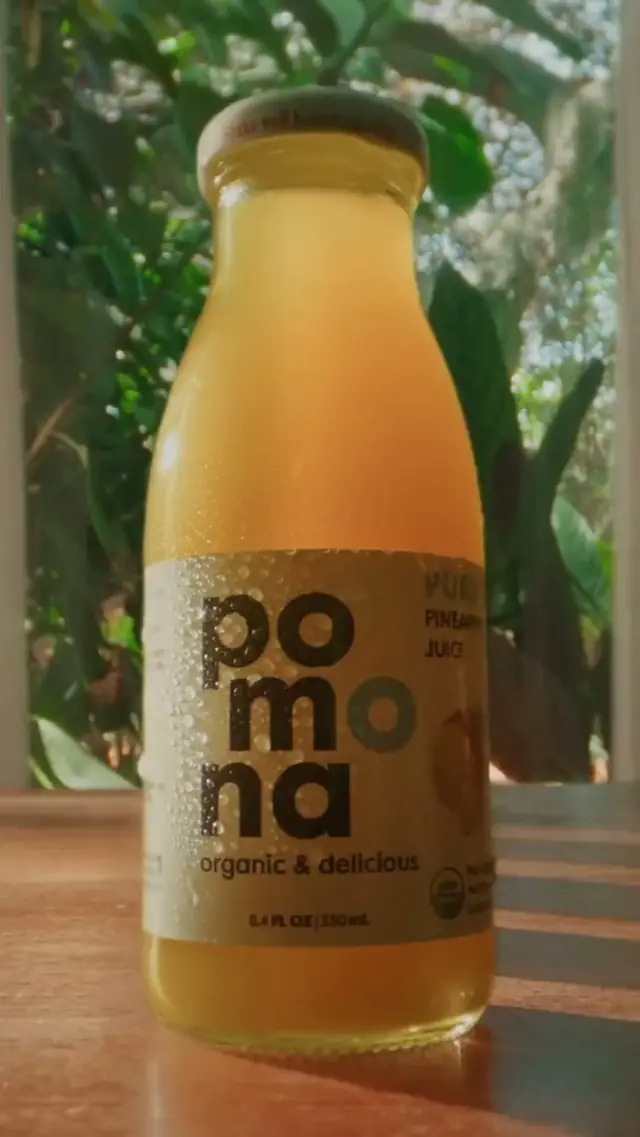
A single 8.4 oz bottle of Pomona Organic Beetroot Juice delivers roughly 500-800 mg of dietary nitrates — comparable to the doses used in the clinical trials referenced throughout this guide.
Benefit 1: Lowers Blood Pressure
In multiple randomized controlled trials, participants drinking 8 oz of beetroot juice daily saw average systolic readings fall by about 4-10 mmHg over 2-4 weeks. The nitrates in beets convert to nitric oxide, which relaxes blood vessels and lowers vascular resistance.
A landmark 2015 study in Hypertension followed 68 patients with high blood pressure who drank 8 oz of beetroot juice daily for 4 weeks. The result: sustained reductions in 24-hour ambulatory blood pressure with no side effects.
Benefit 2: Improves Athletic Performance
Over 80 peer-reviewed studies show that beetroot juice improves endurance by 1-3%, reduces the oxygen cost of exercise, and extends time-to-exhaustion. For a marathoner, that's minutes off a finishing time. For a cyclist, it's watts of extra power at the same effort.
The mechanism is nitric-oxide-driven vasodilation: more oxygen reaches working muscles at a lower cardiovascular cost. Peak effect occurs 2-3 hours after drinking, which is why athletes time their beetroot juice as a pre-workout.
Benefit 3: Supports Brain Health & Focus
Nitric oxide doesn't just help skeletal muscle — it improves cerebral blood flow too. A 2011 study in Nitric Oxide showed increased blood flow to the frontal lobe (the region governing focus, decision-making, and working memory) within hours of drinking beetroot juice.
For older adults, longer-term intake has been associated with improved reaction time and cognitive resilience — making organic beetroot juice one of the few beverages with credible research behind its brain-health claims.
Benefit 4: Anti-Inflammatory & Antioxidant
Betalains — the pigments that give beetroot its ruby-red color — are among the most potent antioxidants in the plant kingdom. They neutralize free radicals, reduce systemic inflammation, and support liver detoxification pathways.
Cold-pressing matters here. Heat degrades betalains rapidly. Pomona's cold-press process preserves them so you get the full antioxidant profile in every bottle.
How Much and When to Drink
Standard research dose: 8 oz (roughly one Pomona bottle) per day. For blood pressure and cardiovascular benefits, drink daily for at least 2-4 weeks. For workout performance, drink 2-3 hours before exercise so nitric oxide peaks during your session.
Cold-pressed, organic, single-ingredient beetroot juice — with no added sugar, no preservatives, and no concentrate — delivers the cleanest, most research-aligned dose you can buy off the shelf.
FAQ
- What is the difference between beet juice and beetroot juice? — None — 'beetroot' is the British and international name for what Americans call a 'beet.' Beet juice and beetroot juice are the exact same product.
- How long does it take to see beetroot juice benefits? — Blood pressure begins dropping within 2-3 hours of one 8 oz serving. Athletic-performance gains appear the same day. Sustained blood pressure and cardiovascular benefits require 2-4 weeks of daily intake.
- Can I drink beetroot juice every day? — Yes. Clinical trials use daily intake of 8 oz for weeks to months without safety issues. If you have low blood pressure or take BP medication, talk to your doctor first.
- Is organic beetroot juice better than non-organic? — Yes. Beets absorb minerals directly from soil, so pesticide and synthetic fertilizer residues concentrate in the root. USDA Organic certification eliminates that concern.
- Does cooking beets destroy the nitrates? — Prolonged boiling can leach 25-40% of nitrates into cooking water. Cold-pressed beetroot juice preserves nitrates at their peak, which is why researchers use juice — not cooked beets — in performance studies.