Beetroot Juice & Nitrates: The Complete Science Deep-Dive
What Are Dietary Nitrates?
Dietary nitrates (NO₃⁻) are naturally occurring compounds found in vegetables — especially beets, arugula, spinach, and celery. Beets are one of the richest concentrated sources per gram of edible plant.
Unlike the nitrates added to processed meats (which have separate health concerns when combined with high heat and preservatives), vegetable-source nitrates from foods like beetroot juice are well-established as beneficial to cardiovascular and metabolic health.
The Nitrate → Nitrite → Nitric Oxide Pathway
When you drink beetroot juice, bacteria on your tongue convert nitrate (NO₃⁻) to nitrite (NO₂⁻). Nitrite is then reduced to nitric oxide (NO) in the bloodstream, especially in areas of low oxygen — exactly where you need blood flow the most (working muscles, hardworking hearts, active brains).
This is why using antibacterial mouthwash before drinking beetroot juice blocks most of its performance benefits: it kills the tongue bacteria that start the pathway.
How Much Nitrate Is in Beetroot Juice?
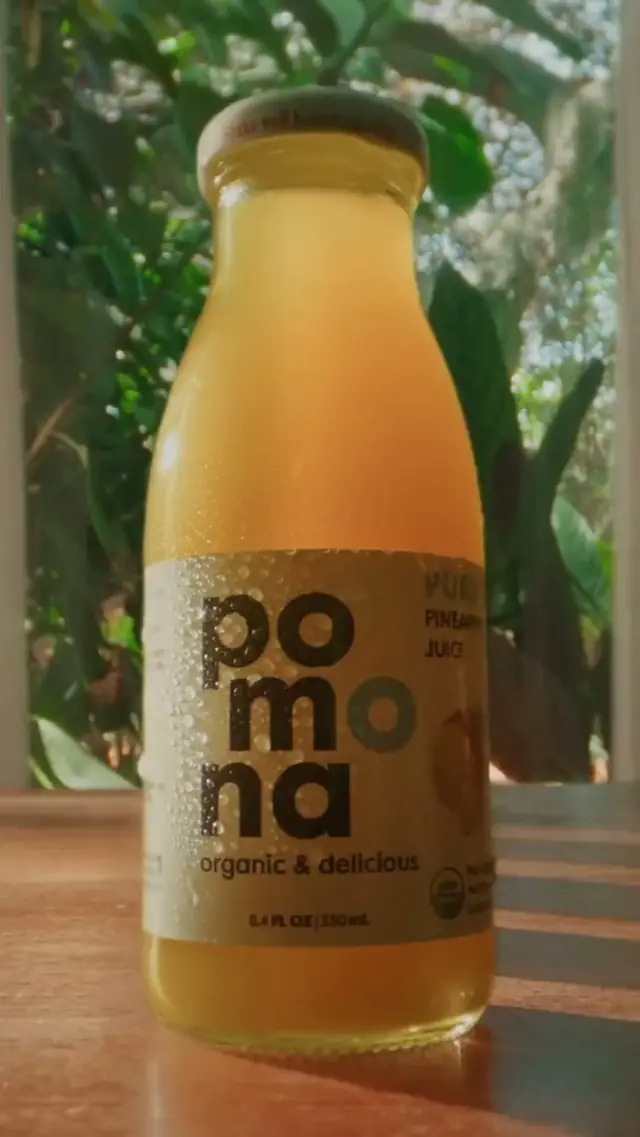
Pomona Organic Beetroot Juice contains roughly 500-800 mg of dietary nitrates per 8.4 oz bottle. Clinical trials typically use 400-800 mg per dose — so a single Pomona bottle sits right in the research window.
Nitrate content varies by beet variety, soil, and growing conditions. Cold-pressed organic beetroot juice preserves the most nitrate; heat-pasteurized or from-concentrate juice loses a portion during processing.
Why Cold-Pressed Matters for Nitrate Preservation
High-heat pasteurization degrades a percentage of the nitrate content and destroys the heat-sensitive betalain antioxidants that work alongside nitrates. Cold-pressing (hydraulic pressure at low temperature) preserves both.
Pomona uses cold-press extraction and a gentle stabilization step required for shelf-safe glass packaging — never a high-temperature kettle pasteurization. That's why Pomona's nitrate delivery is closer to fresh-juiced beets than most other bottled options.
Health Outcomes Driven by Nitrates
Blood pressure: nitric oxide relaxes vascular smooth muscle; clinical trials observed average systolic reductions of about 4-10 mmHg in participants.
Exercise performance: reduced oxygen cost of exercise, improved time-to-exhaustion, better efficiency at submaximal loads.
Cognitive function: increased cerebral blood flow, especially in the frontal lobe.
Metabolic health: improved mitochondrial efficiency and insulin sensitivity in some populations.
FAQ
- How many mg of nitrates are in beetroot juice? — Roughly 500-800 mg per 8.4 oz of pure organic beetroot juice like Pomona. This sits within the 400-800 mg clinical-trial dose range.
- Are the nitrates in beetroot juice the same as those in processed meat? — Chemically similar, but the food matrix is very different. Vegetable-source nitrates (like beetroot juice) come packaged with antioxidants and polyphenols that support conversion to beneficial nitric oxide. Processed-meat nitrates come with heme iron and high-heat cooking byproducts, which is a very different metabolic scenario.
- Does mouthwash really block beetroot juice benefits? — Yes. Antibacterial mouthwash kills the tongue bacteria that convert nitrate to nitrite — the first step in the pathway. Skip mouthwash for a few hours before or after drinking beetroot juice.
- Are there other nitrate-rich juices? — Celery juice is a secondary source of dietary nitrates but at lower concentrations than beetroot juice. For nitric-oxide-driven benefits, beetroot is the gold standard.
- Can I get enough nitrates from whole beets instead of juice? — Yes, but you'd need to eat 2-3 whole cooked beets to match the nitrate dose in one 8.4 oz bottle of cold-pressed beetroot juice. Boiling also leaches 25-40% of nitrates into cooking water.