Is Mango Juice Healthy? Sugar, Nectar vs Juice & How to Choose
The Honest Answer
Pure mango juice can be part of a healthy diet in moderate servings. It delivers real nutrients — vitamins A and C, folate, potassium, polyphenols — but it's also naturally sweet. Whether a mango drink is 'healthy' depends mostly on two things: whether sugar is added, and how much you pour.
Natural Sugar vs Added Sugar
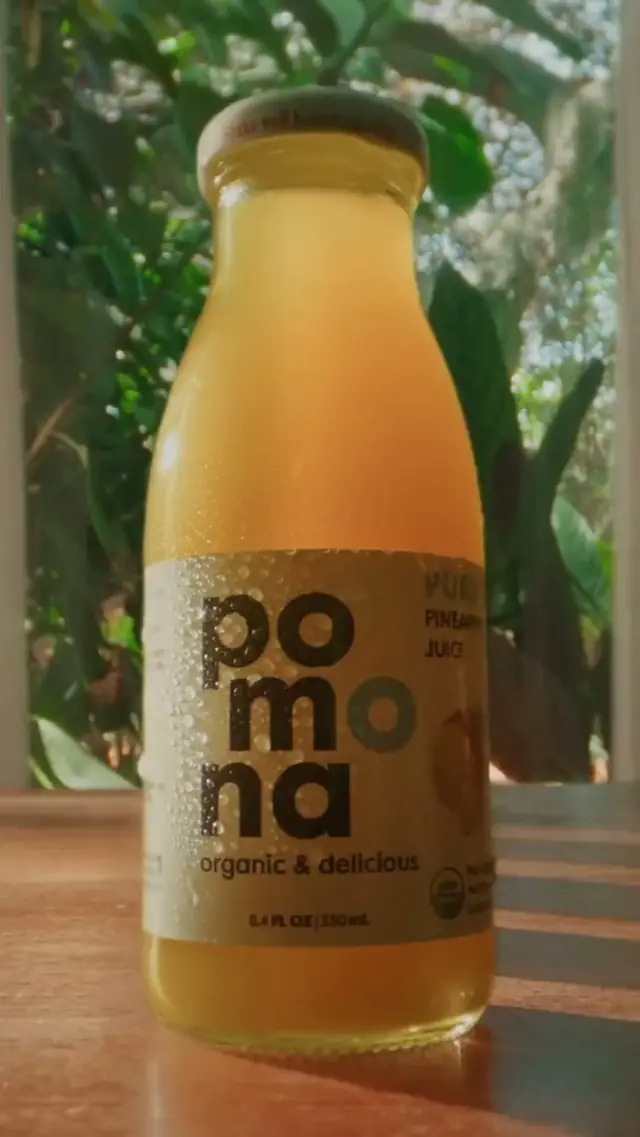
An 8.4 oz bottle of Pomona Organic Mango Juice has about 26g of sugar, all from the fruit. U.S. Dietary Guidelines treat 100% juice differently from sugar-sweetened drinks, but still suggest keeping juice portions moderate and eating whole fruit too.
Many mango drinks add cane sugar or syrup on top of the fruit sugar. Check the 'Added Sugars' line on the label — for pure juice it should read 0g.
Why Most Mango Drinks Are Nectars
Mango is thick and pulpy, so many brands make 'nectar' — purée thinned with water and sweetened. Nectar can be as little as 25% fruit. Look for '100% juice' and a single ingredient.
How to Enjoy It Well
Keep servings to 4-8 oz, drink it with a meal rather than on its own, or blend it with yogurt or into a smoothie with protein. Diluting with sparkling water makes a lighter spritzer.
Pomona is cold-pressed from USDA Organic mangoes only — no added sugar, no water, never from concentrate.
FAQ
- Is mango juice high in sugar? — It's naturally sweet — about 26g of fruit sugar per 8.4 oz bottle of Pomona, with no added sugar. Keep servings moderate.
- Is there mango juice with no sugar added? — Yes. Pure 100% mango juice has no added sugar. Check the label for 0g added sugars and a single ingredient.
- Is mango juice good for weight loss? — Juice isn't a weight-loss tool. A small serving can fit a balanced diet; whole mango adds more fiber and fullness.
- Is mango juice OK for kids? — Pure mango juice in small amounts, within pediatric juice guidelines, is fine for most children over 1.