Juice from Concentrate vs. Not from Concentrate: What's the Difference?
How Juice Concentrate Is Made
Juice from concentrate goes through a multi-step industrial process: First, juice is extracted from fruit. Then, it's heated to evaporate water, creating a thick syrup (the concentrate). This concentrate is frozen or stored, often shipped internationally, then reconstituted by adding water back before packaging.
This process was invented to reduce shipping costs and extend shelf life — not to benefit consumers. The heating and reconstitution process degrades vitamins, destroys enzymes, and diminishes the authentic flavor of the fruit.
Many juice brands that say '100% juice' on the label are actually from concentrate. Read carefully: there's a major quality difference between '100% juice from concentrate' and '100% juice, not from concentrate.'
What 'Not from Concentrate' Really Means
Not from concentrate (NFC) juice is pressed from fruit and bottled without the dehydration-reconstitution cycle. The juice goes from fruit to bottle with minimal processing, preserving natural flavor, vitamins, and nutritional integrity.
NFC juice tastes noticeably better because it retains the authentic flavor compounds that are lost during concentration. It's the closest thing to fresh-squeezed juice you can buy in a bottle.
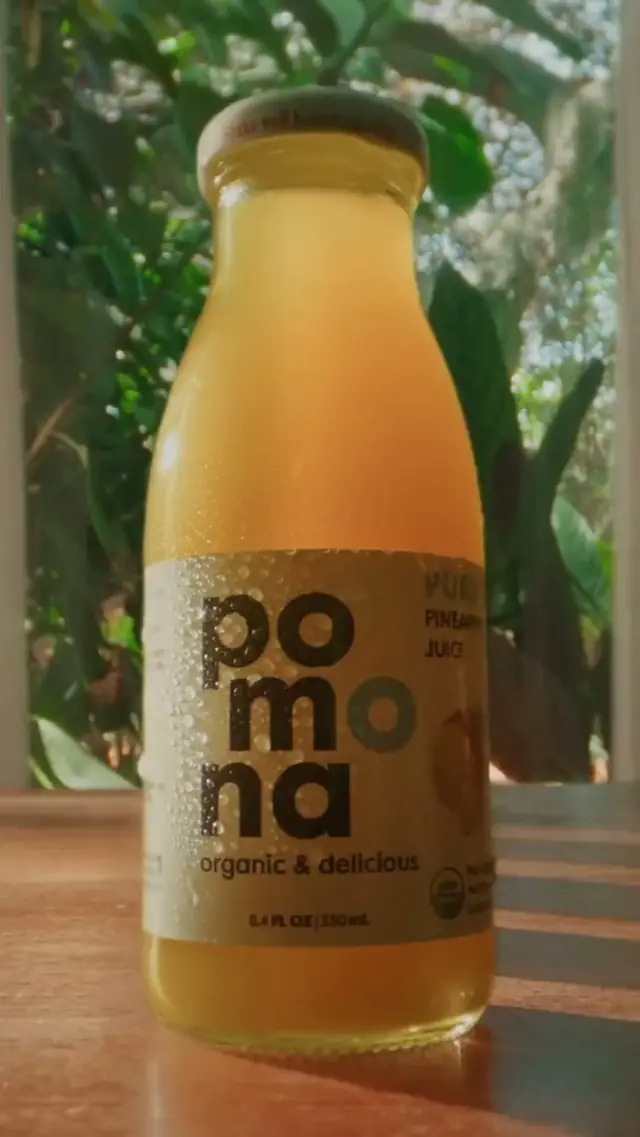
Pomona Organic Juices is 100% not from concentrate across all 29 flavors. Our cold-pressed organic juices go directly from USDA Organic fruit to glass bottles, preserving everything nature put into the fruit.
Nutritional Impact of Concentration
The concentration process exposes juice to temperatures that degrade heat-sensitive nutrients. Vitamin C, B vitamins, and folate are particularly affected. Studies show concentrated juice can lose 20-40% of its Vitamin C content compared to NFC juice.
Enzymes like bromelain (pineapple), actinidin (kiwi), and other beneficial compounds are destroyed by heat during concentration. If you're drinking juice for health benefits, NFC juice delivers significantly more nutritional value.
Pomona's cold-pressed, not-from-concentrate process preserves the full spectrum of vitamins, minerals, enzymes, and antioxidants. Combined with USDA Organic fruit, it's the purest juice you can pour.
How to Read Juice Labels
Always check for these key indicators: 'Not from concentrate' or 'NFC' means the juice was never concentrated. '100% juice' means no water or sweetener was added (but it could still be from concentrate). 'From concentrate' means it was dehydrated and reconstituted.
Other red flags: added sugars (high-fructose corn syrup, cane sugar), preservatives (sodium benzoate, potassium sorbate), and artificial flavors. Pure juice should have one ingredient — the juice itself.
Every bottle of Pomona Organic Juice has one ingredient: organic [fruit] juice. That's it. USDA Organic, cold-pressed, not from concentrate, no added sugar, no preservatives, no artificial anything. Pure juice in a BPA-free glass bottle.
FAQ
- Is juice from concentrate real juice? — Yes, it starts as real juice, but the concentration process (heating to remove water, then adding water back) degrades vitamins, destroys enzymes, and changes the flavor. Not-from-concentrate juice is closer to fresh.
- Why is not-from-concentrate juice more expensive? — NFC juice costs more because it can't be stored or shipped as efficiently as concentrate. It requires refrigerated transport and has a shorter shelf life. But the superior taste and nutrition are worth it.
- Can '100% juice' be from concentrate? — Yes. '100% juice' means no water or sweetener was added, but it can still be from concentrate. Always look for 'not from concentrate' if you want the highest quality. Pomona is 100% juice AND not from concentrate.
- Is Pomona juice from concentrate? — No. All 29 Pomona Organic Juice flavors are not from concentrate. They're cold-pressed directly from USDA Organic fruit and bottled without concentration, reconstitution, or any additives.