No Salt Added Tomato Juice: How to Find a Truly Unsalted Bottle
How Much Sodium Is in Standard Tomato Juice?
A typical cup of canned tomato juice contains 600-700mg of sodium. Dietary guidelines commonly suggest staying under 2,300mg per day, and closer to 1,500mg for people managing blood pressure. One glass of tomato juice can therefore account for a quarter to nearly half of that lower target.
The sodium is not naturally occurring. Tomatoes themselves contain roughly 10-20mg per cup. Everything above that was added during manufacturing, for flavor and shelf stability.
'No Salt Added' vs 'Low Sodium' vs 'Reduced Sodium'
These three phrases are regulated and they mean different things. 'No salt added' means no sodium-containing ingredient was added during processing — the only sodium present is what the tomatoes brought with them. 'Low sodium' means 140mg or less per serving. 'Reduced sodium' only means at least 25% less than the original product, which can still be a lot.
A reduced-sodium tomato juice can easily contain 450mg per cup and still carry the claim legally. If sodium is the reason you are shopping, 'no salt added' is the phrase to look for.
Why Unsalted Tomato Juice Tastes 'Flat' at First
Salt suppresses bitterness and amplifies sweetness, so the first glass of a genuinely unsalted tomato juice tastes thinner than what you are used to. Most people adjust within a week, and then salted versions start tasting like brine.
If you want the savory edge back without the sodium load, add black pepper, a squeeze of lemon, celery salt substitutes, or a dash of hot sauce at home — you control the amount instead of the factory.
What to Look For on the Bottle
Ingredients should read 'organic tomato juice' and stop there. Sodium should be under 50mg per serving. There should be no 'from concentrate' on the front panel, no added sugar, and no citric acid or 'natural flavors' in the list.
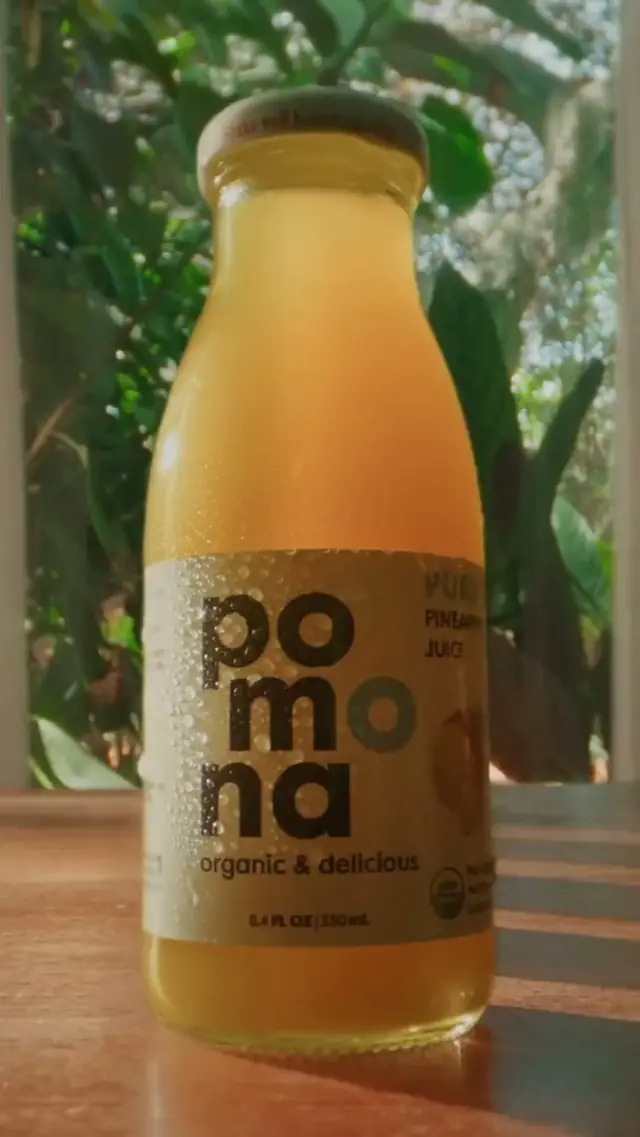
Pomona Organic Tomato Juice meets all of those: cold-pressed USDA Organic tomatoes, no salt added, no sugar added, never from concentrate, no preservatives, in BPA-free glass.
Using Unsalted Tomato Juice in Cooking and Cocktails
An unsalted base is genuinely better for cooking, because every recipe you make with it — gazpacho, braises, pan sauces, shakshuka — is already seasoned somewhere else. Starting salted means you are seasoning on top of seasoning.
For a Bloody Mary, an unsalted base is the difference between a balanced drink and a salt bomb: you add the horseradish, pepper, citrus and Worcestershire yourself and stop where you want.
FAQ
- What is the healthiest tomato juice to buy? — One with three things on the label: 100% tomato juice rather than concentrate, no salt added, and no added sugar. Organic certification means the tomatoes were grown without synthetic pesticides.
- Is there a tomato juice with no salt at all? — Yes. 'No salt added' products contain only the sodium naturally present in tomatoes, roughly 10-20mg per cup, compared with 600-700mg in standard salted juice.
- Does no-salt-added tomato juice taste different? — Yes, noticeably at first — salt amplifies flavor. Most people adapt within a week, and you can season the glass yourself with pepper, lemon or hot sauce.
- Is low sodium the same as no salt added? — No. 'Low sodium' means 140mg or less per serving; 'no salt added' means none was added at all. 'Reduced sodium' is the weakest claim of the three.
- Why do manufacturers add salt to tomato juice? — Salt masks the bitterness that comes from processing tomatoes into concentrate and rebuilding them with water, and it makes a lower-quality base taste stronger.
- Is unsalted tomato juice good for blood pressure? — Research suggests unsalted tomato juice may support healthy blood pressure, helped by its potassium content — but this depends on the salt being absent. Discuss your own situation with your doctor.