Prune Juice Benefits: Digestion, Bones & What the Research Shows
What's in Prune Juice
Prune juice is pressed from dried plums. A serving delivers sorbitol (a natural sugar alcohol), phenolic compounds such as chlorogenic acid, potassium, iron, vitamin K and small amounts of boron. Pomona Organic Prune Juice has about 140 calories and 30g of naturally occurring sugar per bottle, with 0g added sugar.
That sugar is worth knowing about. Prune juice is a food, not a zero-calorie supplement — which is one reason 4-8 oz, not a full quart, is the typical serving.
1. Regularity — the Best-Supported Benefit
Digestion is where the evidence is strongest. Sorbitol draws water into the colon and softens stool, while phenolic compounds may gently stimulate movement. A 2011 trial in Alimentary Pharmacology & Therapeutics found dried plums outperformed psyllium for mild to moderate constipation.
Most of the clinical research uses whole prunes, but prune juice shares the sorbitol and phenolics, which is why it's so widely used. See our dosage guide for how much to drink.
2. Bone Health — Promising Research
A line of research led by Florida State University has looked at dried plums and bone density in postmenopausal women. A 2011 study in the British Journal of Nutrition reported that women eating about 100g of dried plums daily for a year had better bone mineral density markers than a comparison group, and later work suggested smaller amounts may help too.
These studies used whole prunes, not juice, and they show association and early mechanisms rather than a proven treatment. Research suggests prunes' vitamin K, boron and polyphenols may support bone health as part of a balanced diet.
3. Potassium and Heart-Friendly Nutrients
Prune juice is a notable source of potassium, a mineral most Americans under-consume and one that helps balance sodium in the diet. Its polyphenols are also studied for antioxidant activity.
People with kidney disease or on potassium-sparing medication should check with their doctor before drinking potassium-rich juice regularly.
4. Iron (With a Caveat)
Prune juice contains some non-heme iron, the plant form. It's a small contribution rather than a fix for low iron, and it absorbs better alongside vitamin C — a splash of orange or a vitamin C-rich meal helps.
Choosing a Prune Juice
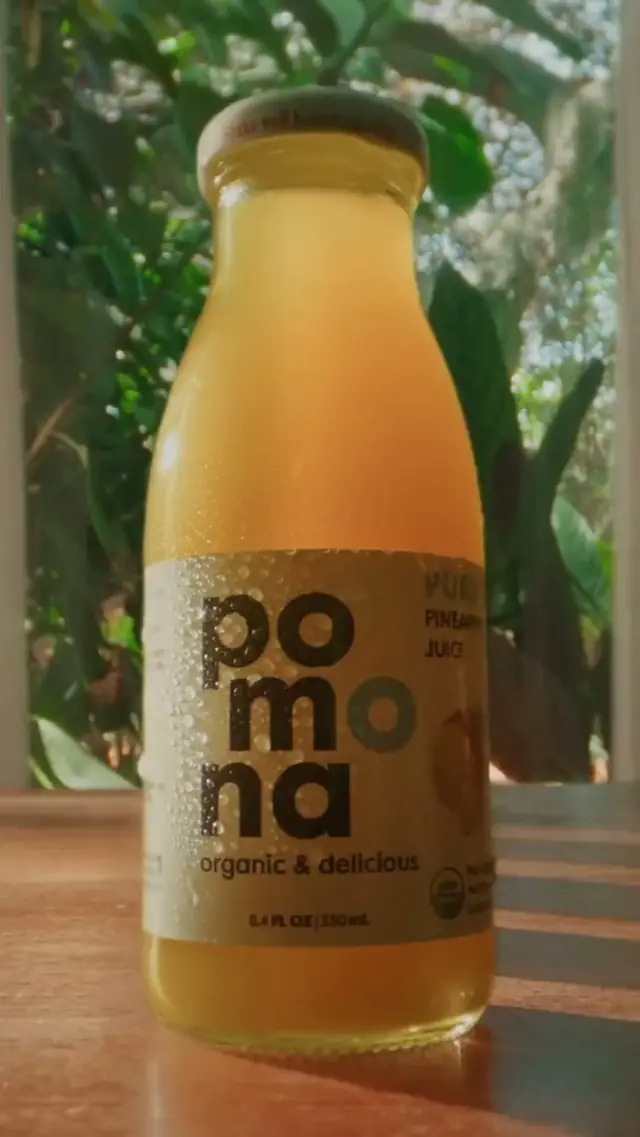
Look for '100% prune juice' as the only ingredient. Blends and 'cocktails' dilute the sorbitol with water, apple juice or sugar. Pomona is cold-pressed from USDA Organic prunes — never from concentrate, no added sugar, no preservatives — in BPA-free glass.
FAQ
- Is prune juice good for you? — In moderate servings, yes. It's a well-studied aid for regularity and supplies potassium, vitamin K and polyphenols. It does contain natural sugar, so 4-8 oz is a sensible serving.
- What happens if you drink prune juice every day? — Many people find a small daily serving (2-4 oz) keeps them regular. Larger daily amounts can cause loose stools, gas and extra sugar intake.
- Is prune juice good for your bones? — Research on whole prunes suggests they may support bone density in postmenopausal women. Prune juice shares some of the same nutrients, but it hasn't been studied as closely.
- Is prune juice as good as eating prunes? — Juice keeps the sorbitol and polyphenols but has less fiber than whole prunes. Both help with regularity; whole prunes add more fiber.
- Does prune juice have a lot of sugar? — It has natural fruit sugar — about 30g per 8.4 oz bottle of Pomona, with no added sugar. That's why a 4 oz starting serving is typical.