Tomato Juice Benefits: What the Research Actually Shows
What Is Actually in Tomato Juice
Pure tomato juice is one ingredient: pressed tomatoes. A cup delivers lycopene, potassium, vitamin C, vitamin A precursors and a small amount of fiber, for roughly 40 calories and about 6g of naturally occurring sugar — far less sugar than almost any fruit juice.
The catch is that most tomato juice sold in cans and cartons is not one ingredient. It is tomato concentrate rebuilt with water, plus salt, and often citric acid and 'natural flavors'. That is why a single cup of conventional tomato juice can carry 600-700mg of sodium.
Lycopene: The Reason Tomato Juice Is Studied At All
Lycopene is the carotenoid that makes tomatoes red. It is one of the more heavily researched dietary antioxidants, and observational studies have repeatedly linked higher lycopene intake with better cardiovascular markers. Research suggests lycopene may support healthy cholesterol oxidation and blood vessel function, though the evidence is associative rather than proof of cause.
Processing tomatoes into juice actually makes lycopene easier for the body to absorb than eating a raw tomato, because pressing breaks down the cell walls that trap it. Drinking tomato juice alongside a little fat — olive oil on toast, avocado, eggs — improves absorption further, since lycopene is fat-soluble.
Why the Salt Question Matters More Than the Lycopene
If you drink tomato juice daily for its potassium and lycopene, a salted version works against you. Potassium and sodium pull in opposite directions on blood pressure, and standard tomato juice front-loads the sodium.
A 2019 study in Food Science & Nutrition following Japanese adults who drank unsalted tomato juice daily for a year reported modest improvements in average blood pressure and LDL cholesterol. The version studied had no salt added — which is the entire point. Speak with your doctor about your own blood pressure before changing anything.
How Much Tomato Juice Should You Drink?
Most research protocols use roughly 6-8 oz (about one cup) per day. That is enough to meaningfully raise lycopene intake without a large calorie or sugar load.
Morning is the easiest habit to keep — it is savory, filling and pairs naturally with breakfast. If you train, tomato juice after a session replaces potassium lost through sweat. There is no benefit to drinking more than about 16 oz a day.
Who Should Be Careful
People with acid reflux often find tomato juice aggravating because of its acidity. People with chronic kidney disease should check with a doctor before adding a high-potassium drink. And anyone on a sodium-restricted diet should read the label carefully — 'no salt added' and 'low sodium' are not the same claim.
Tomato juice is food, not treatment. Nothing here replaces advice from your own doctor.
How to Read a Tomato Juice Label
Three checks tell you almost everything. One: does the ingredient list say 'tomato juice' or 'tomato concentrate and water'? Two: how much sodium per serving — anything above about 140mg is a salted product. Three: is there added sugar, which shows up mostly in 'cocktail' style blends.
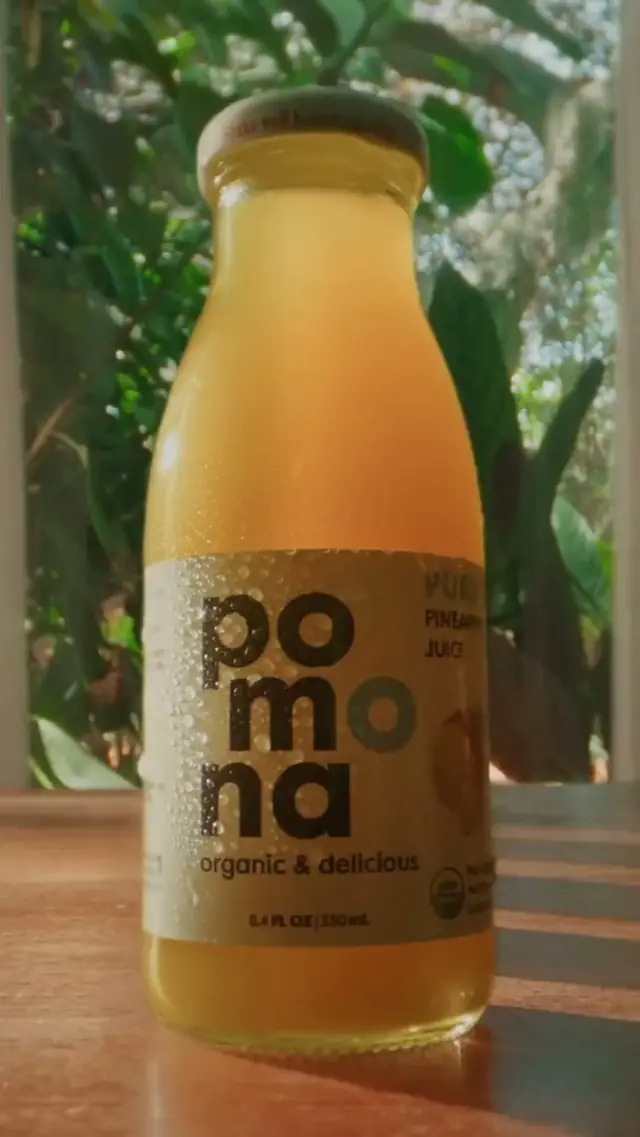
Pomona Organic Tomato Juice is cold-pressed from USDA Organic tomatoes and nothing else: no salt added, no sugar added, never from concentrate, no preservatives, bottled in BPA-free glass.
FAQ
- Is tomato juice good for you every day? — A daily cup of unsalted tomato juice is a reasonable source of lycopene, potassium and vitamin C at about 40 calories. The daily habit only makes sense with a no-salt-added version, because salted tomato juice can carry 600-700mg of sodium per cup.
- How much lycopene is in a glass of tomato juice? — An 8 oz glass of tomato juice typically supplies around 20-25 mg of lycopene, more than most people get from whole tomatoes in a day, and in a form the body absorbs more easily.
- Is tomato juice better than V8? — V8 is a vegetable blend that is usually higher in sodium and includes multiple juices. If you want tomato specifically, with no salt and no fillers, single-ingredient tomato juice is the cleaner choice.
- Does tomato juice help with blood pressure? — Research suggests unsalted tomato juice may support healthy blood pressure, partly through its potassium content. Salted versions work in the opposite direction. Talk to your doctor about your own readings.
- Is canned tomato juice as good as cold-pressed? — Most canned tomato juice is reconstituted from concentrate and salted, and the heat used in that process affects flavor and some heat-sensitive nutrients. Cold-pressed juice is pressed once and bottled.
- Can you drink tomato juice at night? — Yes. It is low in sugar and calories, though its acidity can bother people prone to reflux if drunk close to bedtime.