What Is Cold-Pressed Juice? Everything You Need to Know
What Does Cold-Pressed Mean?
Cold-pressed juice is made by using a hydraulic press to extract juice from fruits and vegetables. Unlike centrifugal juicers that use high-speed spinning blades, a cold press applies thousands of pounds of pressure to slowly squeeze every drop of liquid from the produce — without generating heat.
This matters because heat destroys delicate enzymes, vitamins, and antioxidants. Cold-pressing preserves the full nutritional profile of the fruit, delivering a purer, more nutrient-dense juice. When you drink cold-pressed organic juice, you're getting the closest thing to eating the fruit itself.
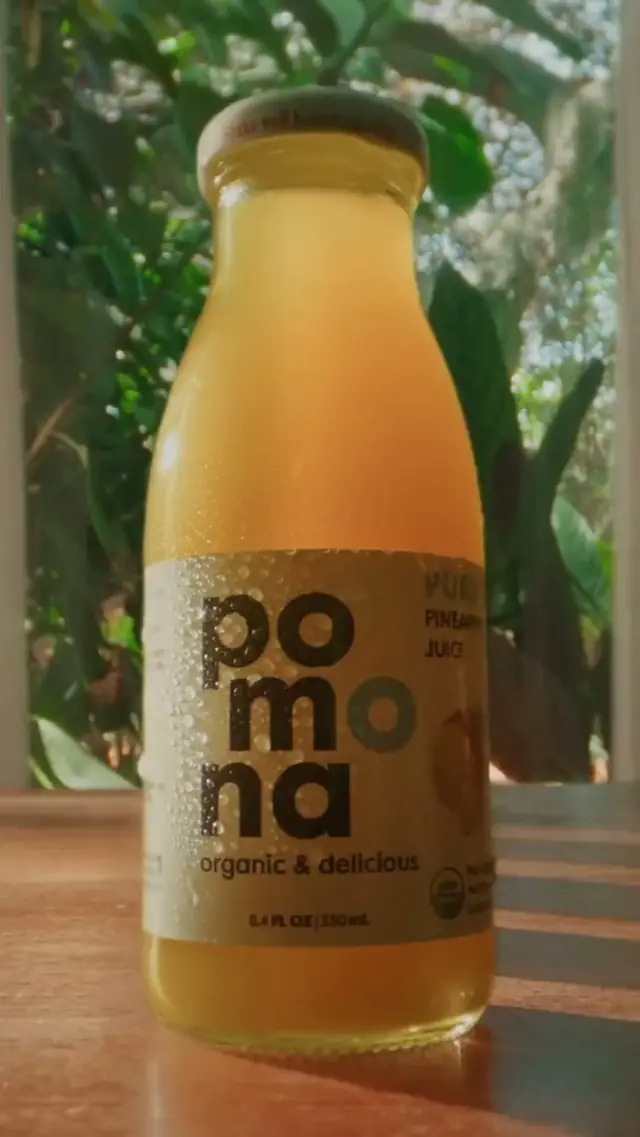
Pomona Organic Juices uses cold-press technology for all 28 of our USDA Organic juice flavors. Every bottle is 100% pure juice — not from concentrate, no added sugar, no preservatives, and no fillers.
Cold-Pressed vs. Regular Juice: What's the Difference?
Most juice you find at the grocery store is made using centrifugal juicers or heat pasteurization. These methods generate friction and heat that oxidize nutrients, reducing the vitamin content by up to 40%. Many conventional juices are also made from concentrate — meaning the juice is dehydrated, shipped, then reconstituted with water.
Cold-pressed juice skips all of that. The hydraulic press method operates at low temperatures, preserving heat-sensitive vitamins like Vitamin C, B vitamins, and folate. It also retains more enzymes like bromelain (in pineapple) and actinidin (in kiwi) that aid digestion.
The result is a juice that tastes fresher, brighter, and more vibrant — because it is. Cold-pressed organic juices like Pomona's deliver the pure, unadulterated flavor and nutrition of fresh fruit.
Nutritional Benefits of Cold-Pressed Juice
Cold-pressed juices retain significantly higher levels of vitamins, minerals, antioxidants, and phytonutrients compared to heat-processed alternatives. Studies show cold-pressed methods preserve up to 5x more enzymes and 3x more vitamins than centrifugal juicing.
Key benefits include: higher antioxidant concentrations (polyphenols, anthocyanins, carotenoids), preserved digestive enzymes, better bioavailability of nutrients, and a more authentic flavor profile. For example, Pomona's cold-pressed organic beet juice retains its dietary nitrates for athletic performance, while our organic rosehip juice preserves its exceptional Vitamin C concentration (per serving).
Cold-pressed pure juices are also free of the oxidation that causes conventional juices to brown and lose flavor. Every bottle of Pomona Organic Juice delivers peak freshness from fruit to glass.
How to Choose the Best Cold-Pressed Juice
Not all cold-pressed juices are equal. Here's what to look for: First, check if it's 100% juice — many brands add water, sugar, or cheaper juices as filler. Second, look for 'not from concentrate' on the label. Third, choose USDA Organic to avoid pesticide residues.
Pomona Organic Juices checks every box: 100% pure juice, cold-pressed, not from concentrate, USDA Organic, non-GMO, no added sugar, no preservatives, gluten-free, vegan, and kosher. Our juices come in BPA-free glass bottles to preserve purity — because what touches your juice matters too.
With 29 organic juice flavors ranging from everyday favorites like apple and orange to specialty options like rosehip and tart cherry, Pomona offers the widest selection of pure cold-pressed organic juices available.
FAQ
- Is cold-pressed juice really healthier? — Yes. Cold-pressing preserves up to 5x more enzymes and 3x more vitamins than heat-processed or centrifugal juicing methods. It avoids heat-induced nutrient degradation.
- How long does cold-pressed juice last? — Without preservatives, fresh cold-pressed juice typically lasts 3-5 days refrigerated. Pomona uses HPP (high-pressure processing) to extend shelf life while maintaining cold-pressed nutrition and freshness.
- Is cold-pressed juice the same as raw juice? — Not always. Cold-pressing describes how the juice is extracted; many shelf-stable cold-pressed juices, including Pomona, are then gently pasteurized for safety. However, 'raw juice' can refer to any unprocessed juice. Cold-pressed specifically refers to the hydraulic press extraction method.
- Why is cold-pressed juice more expensive? — Cold-pressing requires more produce per bottle (up to 2-3x more fruit), specialized equipment, and slower production. The result is a significantly more nutrient-dense, better-tasting pure juice.